Factories
Factories
We’re committed to making clothes with a smaller environmental impact in places that treat workers well. So, when it comes to choosing where we make our clothes, we look at a number of different factors - quality, price, speed, reduced environmental impact, and working conditions for the people in the facility. Our partners share a common vision of sustainability, accountability, and transparency. We publish Our Factories list so you can learn more about the factories behind our clothes. Transparency is key to accountability, which is why we disclose 100% of Tier 1 finished goods manufacturers and subcontractors within our supply chain. We have aligned with the Transparency Pledge and are participating in the Open Supply Hub (OS Hub) to expand on the details that are made public so we can be more accountable for the working conditions in our partner factories.
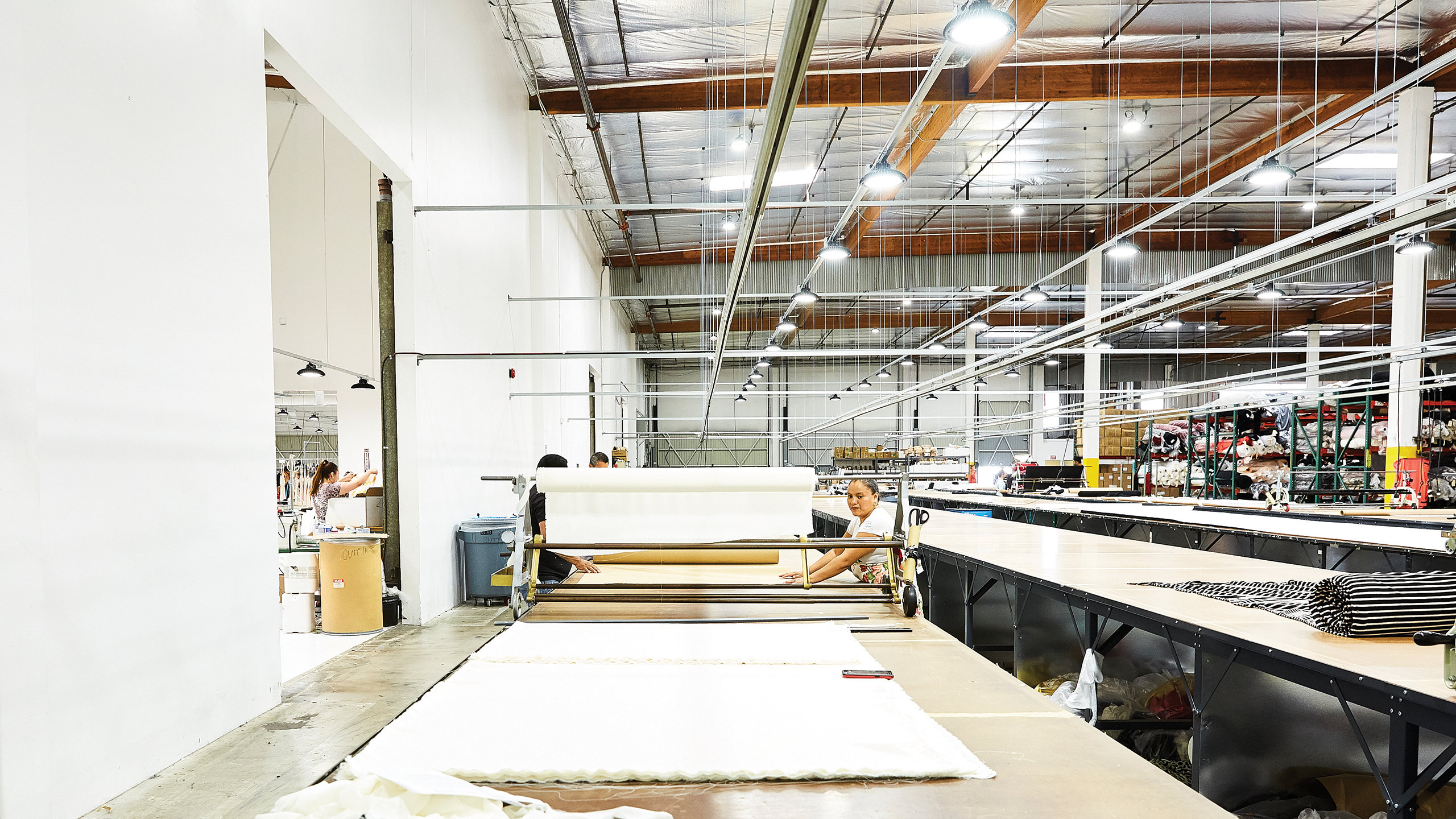
An audit is just a snapshot in time, so we prioritize active continuous improvement, root cause analysis and development of necessary management systems.
We currently require all our direct cut, sew & finish manufacturing partners to adhere to our Code of Conduct and additional policies (basically our requirements for ethical operations), and be monitored for compliance and continuous improvement. Our Code of Conduct references the FLA Workplace Code of Conduct which is based on International Labor Organization (ILO) standards and internationally accepted good labor practices.
We require our Tier 1 and strategic Tier 2 suppliers to participate in independent, third-party social assessments to ensure fair, safe and healthy working conditions throughout our supply chain. Our assessments are conducted not only to help evaluate our supplier’s overall compliance but to also identify progress and stimulate improvement. All substandard audit findings must be remediated in a timely manner.
Our sustainable partners process:
Reformation teams ID a production need and requests a new partner.
↓
Ref reviews the supplier profile, organizes a pre-sourcing and transparency review, and provides our Code of Conduct and additional policies.
↓
Ref requests & arranges a semi-announced audit of the factory by independent and accredited third-party monitoring firms.
↓
Ref discusses the results of the audit with the partner and a Corrective Action Plan form is issued detailing the areas for improvement.
↓
The audit is classified as Green, Yellow, Orange or Red to indicate the compliance status of factory.
↓
Ref and the partner perform concentrated remediation efforts and follow-up audits as required.
|
Green: |
Yellow: |
Orange: |
Red: |
|---|---|---|---|
|
Facility meets our standards |
Facility has some minor/moderate issues. Corrective Action Plan required. |
Facility has safety, health or labor-related violations of our standards. Corrective Actions and Prevent Actions required. Onsite support visit or follow up assessment required as needed. |
Facility has one or more Zero-Tolerance Violations and/or has failed to remediate major safety, health or labor-related violations. Corrective Actions and Prevent Actions required. Onsite support visit or follow up assessment required as needed. |
Responsible purchasing practices
Reformation expects our suppliers to strive to meet our requirements and demonstrate a commitment to our core values of transparency, open and ongoing communication, accountability, and continuous improvement. We recognize that this requires a collaborative approach with our suppliers and are committed to continuously improving our responsible purchasing practices.
To better understand our purchasing practices, we participated in surveys through the Better Buying initiative from 2019-2024 and continue to reference the learnings. The Better Buying initiative assesses seven categories of brand and retailer purchasing practices that affect overall working conditions. Participation in this program allowed us to receive anonymous feedback and data-driven insights into our purchasing activities and provided recommendations on making improvements to provide safe and fair work environments for all workers.
Worker Voice
Giving workers a voice is integral to empowering employees so that they feel comfortable and confident to raise concerns without the fear of suffering any prejudice or retaliation of any kind. Workers should know that their feedback is important and that they are heard. Grievance mechanisms are procedures that provide a clear and transparent framework for addressing employee concerns in the workplace. Grievance mechanisms such as suggestion boxes, grievance hotlines, and worker surveys are reviewed during our audits to ensure that functional measures are in place in all of our partner facilities.
We administer Worker Sentiment Surveys during some of our annual audits via a smartphone app that allows us to reach hundreds of workers. These are anonymous surveys that provide us with insights needed to drive continuous improvements in each facility. The survey covers questions related to happiness at work, relationships with supervisors, trust in grievance mechanisms, working hours, and wages. Some of the most common findings we have seen are: workers do not feel comfortable talking to their direct supervisor if they have a suggestion or complaint; workers do not think their feedback will be treated seriously by the management team; workers do not understand how their wages are calculated. We address the results from these surveys through our Corrective Action Plan management system, where we provide recommendations for each issue reported. This allows us to track progress with facility management to ensure workers’ concerns are being addressed proactively.
* Last updated April 2026