Sustainability Landing Page

Made smarter
Fiber Standards
We developed Ref Fiber Standards
to grade materials based on their
combined social and environmental
impact. And we’re super thorough.
to grade materials based on their
combined social and environmental
impact. And we’re super thorough.
Since you and Earth deserve the
best, our goal is to source
best, our goal is to source
0%
of our fabrics from deadstock,
recycled, and next-generation materials
by 2030. (AKA not-virgin)
recycled, and next-generation materials
by 2030. (AKA not-virgin)

Since you and Earth deserve the
best, our goal is to source
best, our goal is to source
0%
of our fabrics from deadstock,
recycled, and next-generation
materials by 2030.
(AKA not-virgin)
recycled, and next-generation
materials by 2030.
(AKA not-virgin)
The fabrics we use
determine up to
determine up to
2/3
of the environmental
impact of your clothes.
impact of your clothes.

The fabrics we use
determine up to
determine up to
2/3
of the environmental
impact of your clothes.
impact of your clothes.
Naturally, we’re into figuring out the
impact our fibers have on people
and the planet – and making sure
we pick the best ones.
impact our fibers have on people
and the planet – and making sure
we pick the best ones.
We take all this into
consideration:
consideration:
Greenhouse gas emissions
Water impact
Energy input
Land use
Garment care implications
(like microfiber shedding)
(like microfiber shedding)
Availability
Biodiversity
Chemistry
Human Rights
Animal Welfare
The raw materials we choose affect the way:
1
your Ref clotheslook and feel on you (damn good)
2
you wash yourgarment (bye, microplastics)
3
you recycle yourgarment (hello, forever)

Here’s some examples of our favorite
materials by ranking. See how they
stack up in our Sustainability Report.
materials by ranking. See how they
stack up in our Sustainability Report.
A – Allstars
Key fibers: TENCEL™ Lyocell, Recycled Cotton & Cashmere, Regeneratively Grown Cotton, Deadstock
B – Better than most
Key fibers: EU Flax Linen, Recycled & Regeneratively grown Wool
C – Could be better
Key fibers: Econyl® regenerated nylon, Alpaca, Repreve® polyester
D – Don’t use unless certified
Key fibers: Silk, LWG Certified Leather
E – Eww, don’t use
No favorite fibers here
A - Allstars
Key fibers: TENCEL™ Lyocell, Recycled Cotton & Cashmere, Regeneratively Grown Cotton, Deadstock
A-Rated
Key fibers: TENCEL™ Lyocell, Recycled Cotton & Cashmere, Regeneratively Grown Cotton, Deadstock
Here’s how our favorite
materials stack up
materials stack up
Too environmentally or socially intensive to meet our high fiber standards.
No favorite fabrics here. We try to source less than 10% of E fibers in a blend, only doing so when necessary for specific fabric construction and performance.
Made smarter
Material Innovation
We’re on a mission to bring sustainable fashion to everyone, and to every part
of your outfit. Some things you wear are harder to clean up than others, but
we’re overachievers, and never turn down the chance to help you get dressed better.
of your outfit. Some things you wear are harder to clean up than others, but
we’re overachievers, and never turn down the chance to help you get dressed better.
Here are a few of our favorite material innovations right now:

Making your butt look better
than ever with recycled and
regenerative fibers, plus tons of
circularity potential.

Made with NATIVA™️ wool that helps
restore the Earth, keep sheep happy,
and promote regenerative farming.

Stay warm in the chicest way possible
with recycled MWool® from Italian mill
Manteco®. Global Recycled Standard (GRS)
certified plus cuts added chemicals and
dyes, which means way less water and
more nature.
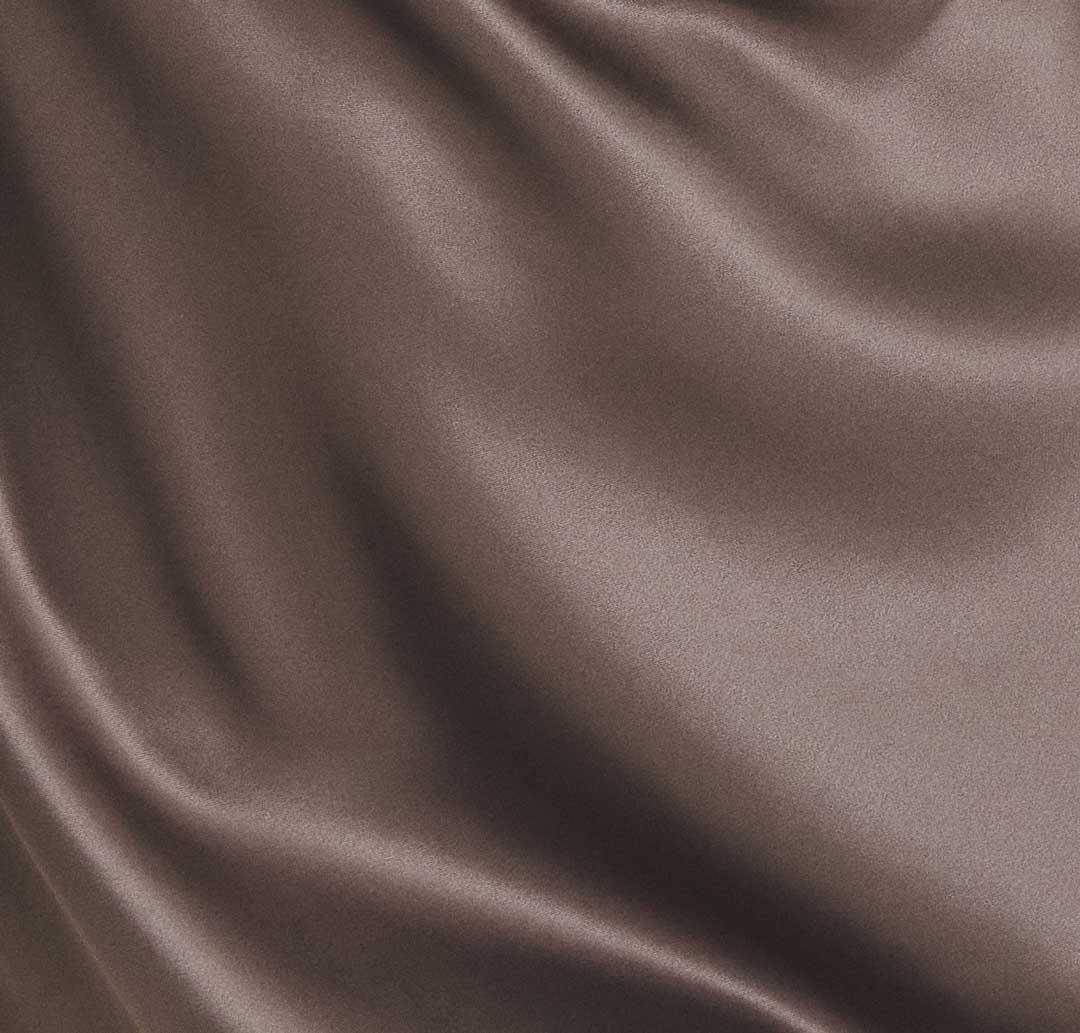
Meet Naia™ Renew, made with responsibly
sourced wood pulp and recycled waste materials.
We like it because it repurposes hard-to-recycle
waste and is made in a closed-loop process
with fewer nasty chemicals.
Making your butt look better than ever with recycled and regenerative fibers, plus tons of circularity potential.
Made with wool that helps restore the Earth, keep sheep happy, and promote regenerative farming.
Meet Naia™️ Renew, made with responsibly sourced wood pulp and recycled waste materials. We like it because it repurposes hard-to-recycle waste and is made in a closed-loop process with fewer nasty chemicals.
Stay warm in the chicest way possible with recycled MWool® from Italian mill Manteco®. Global Recycled Standard (GRS) certified plus cuts added chemicals and dyes, which means way less water and more nature.
Made smarter
Clean Chemistry
The dyeing and finishing phase is where we turn our fibers and fabrics into all
the stuff you know, love, and can’t stop wearing. These chemical processes
determine the color, finish, and feel of your garment.
the stuff you know, love, and can’t stop wearing. These chemical processes
determine the color, finish, and feel of your garment.
For years, the dyeing industry
has been failing clean chemistry
class – losing points for:
has been failing clean chemistry
class – losing points for:
Excess water usage
Inefficient energy processes
The release of toxic byproducts
into our environments
into our environments
Putting our workers and
wearers at risk
wearers at risk
Here’s how we work:
We want zero hazardous chemicals or inputs in our supply chain. To scale our Clean Chemistry program, we created our Cleaner Chemistry Supplier Roadmap to support our partners as they work on more sustainable chemical management.
The Roadmap is here to help our supply chain partners–like dyehouses, printers, and tanneries–understand our Clean Chemistry requirements and work on improving their sustainable chemical management.
3 elements work together to reduce hazardous chemicals in our supply chain:
- Cleaner Chemicals, AKA making sure the chemicals and other inputs are safe before using them
- Cleaner Way, AKA making sure the chemical management systems protect workers and the environment
- Cleaner Materials, AKA making sure the finished material is safe for our customers
We’re going to rate our supply chain partners - from Entry level to Better, all the way to Advanced - based on their clean chemistry certifications that tell us more about their performance in cleaner chemical, cleaner way, and cleaner materials.
Our goal is to source 100% of our materials from facilities that are rated Better or Advanced or have an OekoTex Standard 100 Certification (that ensures a cleaner material).
Read more about our ratings here.
We became a bluesign System Partnership in 2021, and with their help, are working to bring our whole supply chain up to speed with our clean chemistry goals.
We prioritize working with facilities that are bluesign System Partners because through the facility assessment and process certification, they work work with the experts to ensure:
- use of chemical inputs that meet bluesign Criteria
- monitor their air emissions and water use
- worker health and safety
(and that’s why they get the Advanced rating!)
MRSL
We require our suppliers to comply with a Manufacturing Restricted Substance List (MRSL), which is part of our Cleaner Chemicals priority. Depending on if they track or verify their inventories, we know whether they’re Entry Level, Better, or Advanced. Learn more about the MRSL here.
RSL
And, to be super safe, we test our stuff against our Restricted Substance List (RSL) to:
- confirm there are no hazardous substances in our products
- and make sure they're safe and in compliance with the most rigorous regulations and standards
Want to geek out on concentration limits? Check out our full RSL list here.
Made better
Limited Editions
Industry analyses suggest that fashion
overproduction results in billions
of unsold garments each year
And textile waste is predicted to rise significantly by 2030. Basically landfills are being filled with unsold clothes that have never been worn.
We put out a limited-edition collection
every week with small quantities of each
new product. We try to only make more if we
know you want it, based on direct data
and feedback from your purchases.

We use numbers from sales and things like
pre-order and waitlist to get super
intentional about making more of what you
like. This makes us more efficient across
materials, people power, and marketing.
We put out a limited-edition
collection every week with
small quantities of each new
product. We only make more
if we know you want it, based
on direct data and feedback
from your purchases.
We use numbers from sales and
things like pre-order and waitlist
to get super intentional about
making more of what you like.
This makes us more efficient
across materials, people power,
and marketing.
This limited production model keeps us from overproducing, plus, it means no one at the party will be wearing the same dress as you. Being extra-exclusive lets us try new things, without being wasteful, so we can perfect what you like about us.
Made better
FactoryForward
We created our FactoryForward program to help our supplychain partners become the best at what they do.
Together, we
get better at:
get better at:
Renewable energy
Water efficiency
Clean chemistry
People practices
Here’s how it works:
1 Assess
First, we see how our suppliers are doing with
two key environmental assessment partners:
2 Make it better
Then, we connect our suppliers with the best environmental solution
providers around. To truly reform the fashion industry, we all have to start
moving towards complex environmental challenges, not away from them.
Here’s what we help with right now:
We ask our suppliers to keep track of their resource use through the industry-wide assessments, like the Higg FEM. The Higg FEM helps streamline environmental data collection and analysis across the apparel supply chain, which shows us where support is needed.
We also help our suppliers reduce their water and energy usage by connecting them with partners like Apparel Impact Institute (Aii), which identifies easy wins and maximizes long-term efficiencies towards decarbonization. These range from capital investments in machinery (like high-efficiency laundry machines) to updating operating procedures to do simple, smart things, like turning off the lights or automating shut-offs to conserve energy.
An important part of how we tackle textile waste in our supply chains and our Circularity Roadmap is to recycle manufacturing waste, which can be 10-20% of a fabric roll. That’s a lot, so we’re working with our suppliers to find solutions for post-industrial textile waste, with a goal that all strategic suppliers will have a recycling solution in place by 2030.
That’s where Reverse Resources comes in. We work with Reverse Resources to map the textile waste streams at our manufacturing facilities and encourage them to track their waste on the Reverse Resources platform so that they can easily find and access existing textile recycling networks in their region.
By optimizing our suppliers’ chemical inputs and better managing wastewater, we’re moving towards clean chemistry in every step of our supply chain.
We assess facilities using our Cleaner Chemistry Supplier Roadmap, with help from bluesign®. Partners that need extra support are connected to Aii’s innovative programs, bluesign®, or Zero Discharge of Hazardous Chemicals (ZDHC) to get on track with our clean chemistry standards.
3 Make it the best
There are a handful of responsible suppliers serving a lot of sustainable brands,
but we decided to build our own supply chain and invest in our partners
becoming the best for us, and everyone else they work with.
3
Make it
the best
There are a handful of clean suppliers serving a lot of sustainable brands, but we decided to build our own supply chain and invest in our partners becoming the best for us, and everyone else they work with.
Made better
People Practices
For way too long, fashion hasn’t paid fair. Valuing our workers begins with considering true costs – which includes fair wages, but also healthy work environments and better people practices.
Taking care of our teams, and the people at every level of our supply chain, is one of our biggest responsibilities as a fashion brand.
We make some of our clothes in Los Angeles and the rest at partner factories around the world.
When it comes to choosing where we make our stuff, we look at a number of different factors like: quality, price, speed, reduced environmental impact, and working conditions for the people in the facility.
We publish Our Factories list and disclose 100% of Tier 1 finished goods manufacturers and subcontractors within our supply chain.
We signed on to the Transparency Pledge and Open Supply Hub (OS Hub).
We’re making more of what we do public, so we can hold ourselves accountable to the health and safety of everyone we work with.
We require all our manufacturing partners to adhere to our Code of Conduct (our requirements for ethical operations) and participate in independent, third-party social assessments to ensure fair, safe, and healthy working conditions and continuous improvement. As a participating company of the Fair Labor Association (FLA), we are committed to promoting fair labor standards with our suppliers around the world.
We prioritize grievance mechanisms such as suggestion boxes, grievance hotlines and worker surveys to ensure that functional measures for addressing employee concerns in our workplace and in our partner facilities are in place.
We review these mechanisms and administer anonymous Worker Sentiment Surveys as needed during our annual audits. Then we address each noted issue through our Corrective Action Plan (CAP) management system. In addition to being good listeners, we strive to be proactive and preventative.
Made for good
Circularity
So we want to make
0% of our stuff
recyclable
and from as close to
recyclable
0 virgin materials
as possible.
A lot of our clothes already get around. But the truth is, we’re still virgins. In order to lose it, we found twelve things to improve in our business model, operations, and product to be circular. Check them out in our super detailed roadmap.
A lot of people call this Circular Fashion. But, given the mess our planet is in right now, we call it the only way forward for fashion.
We’re doing most of the hard work, but, as we work toward losing it for good, we’re going to need your help keeping all this non-virgin stuff in the fashion system, forever.
Here’s how we get there:
1
For our clothes to be non-virgin, they need to be made from recycled fibers or renewable materials with clean chemistry and efficient production. So they aren’t toxic and can last a long time.
2
Our clothes will probably be with you longer than the person you’re currently texting, so, we’re counting on you to care for them responsibly and say bye wisely: AKA reselling or recycling.
3
To get recycled the right way, and keep our clothes around, we have to link up with the correct partners and innovate fiber recycling capabilities.
Made for good
Wash Smart
We design our clothes to last longer, which means you're going to have to take care of them for longer, too. And that you probably need to clean up your laundry routine. A huge part of clothing’s carbon footprint happens while washing and caring for your garments in between wears.
That means you have
tons of opportunities
to help reduce these
from the laundromat:
tons of opportunities
to help reduce these
from the laundromat:
Energy use
Toxicity
Microplastic pollution
CO2 emissions
Plus, proper care – no more sweater pills, shrunken shirts, or accidental dye jobs – means your clothes get to enjoy the long, happy lives we want for them.
Plus, proper care – no more sweater pills, shrunken shirts, or accidental dye jobs – means your clothes get to enjoy the long, happy lives we want for them. Because you deserve more than just a fling with garments that last ten washes. We’re designing our clothes for the long haul, so get ready to commit.
Here’s how we get there:
Only wash as needed. Saves water and detergent, plus makes your clothes last longer.
Dirty in just one spot? Exercise that spot cleaner. Want to clean up your jeans, while keeping their shape? Throw them in the freezer to kill bacteria and odors.
Basically: do more for the planet by doing less.
Washing in cold water can reduce your energy use by 90%. Switching one load from hot to cold saves enough electricity to power the average American home for over an hour.
*Based on average American household electricity consumption, as reported by the U.S. Energy Information Administration
All those detergent bottles really add up. You can reduce single-use plastics in your home and laundry routine by switching to concentrate detergent tablets that are plastic-free – and choosing formulas that skip dyes, phosphates, chlorine, parabens, and phthalates, too.
Skip the dryer. The average US household runs 280 cycles annually, which uses more energy than your refrigerator does for a full year. Plus, clotheslines make you look super chic and make your neighbors jealous of all your cute stuff.
*energystar.gov, 2024
When you machine wash anything made from synthetics—even recycled stuff—it sheds tiny bits of plastic called microfibers, which pollute our waterways.
Keep your stuff clean by hand washing in cold water — especially swimwear and activewear. You can also use a Guppyfriend bag to capture microfibers when you hand or machine wash your stuff.
Make your shoes go the extra mile. Spray them with something eco-friendly to protect them from stuff like water, oil, dust, and other weird outside things.
Store your shoes in a cool, dry environment and polish leather to keep them looking great. Check out our FAQs for additional shoe care information.
Good news: some professional cleaners now offer green dry cleaning that uses water as the primary solvent. This type of cleaning cuts toxicity and CO2 emissions associated with garment care.
Not all “green” or “organic” cleaners are totally toxin-free. Be sure to ask if they use perc (perchloroethylene: the primary chemical solvent used in dry-cleaning, which can cause liver damage and respiratory failure, yikes), hydrocarbons, or D-5 cleaners.
When something rips, snags, or pills, try simple repairs and embellishments. DIY or call up a trusted tailor. Loved clothes last longer, and extending a garment’s life by nine months is estimated to reduce water, waste, and carbon footprints by 20-30% each.
*WRAP, Extending Clothing Life Protocol, 2014
Made for good
Happy Endings

We’re proud to make
clothes that get around.
But we need your help to
keep them in use.
clothes that get around.
But we need your help to
keep them in use.
RefRecycling is our reuse program engineered to keep your clothes around forever. Because stuff this cute shouldn’t go to waste. So we’re creating a future for everything in your closet. Rewear (if you still love it), Resell (when you’re over it), or Recycle (when it’s time to let it go).

The US alone
throws away over
most of which sit in landfills for
pretty much ever.
throws away over
0M tons
of clothing and footwear a year,most of which sit in landfills for
pretty much ever.
EPA, Advancing Sustainable Materials Management: Facts and Figures Report, 2018

The U.S. alone
throws away over
year, most of which sit in
landfills for pretty much ever.
throws away over
0M
tons
of clothing and footwear atons
year, most of which sit in
landfills for pretty much ever.
Right now, fiber recycling is complicated and super fragmented. We’re working hard to keep it simple for you, so that the only question you have to answer is: to rewear, resell, or recycle?
Start circulating now, or read about it below:
Rewear
If you’re still into it, act like it.
Proper garment care is one of the most underrated actions you can take on the path to a circular fashion future. Wash less, line-dry more, keep your green cleaner on speed dial. And when you come up against a rip, snag, or pill, try simple repairs and embellishments.
Resell
Your clothes deserve a second chance. Good thing reselling your stuff has never been easier. All your verified Reformation purchases can now be listed on Poshmark instantly to make selling Ref as easy as buying it. Or, get a ThredUp kit for anything else, and we'll give you Ref Credit for everything you sell.
PS: ThredUp is only available for customers in the US. Poshmark is available for customers in the US and Canada.
Recycle
We’re making new Ref out of old Ref. And you’re getting paid to give your clothes another chance.
Send us your old Ref stuff. With help from our friends at SuperCircle, we’ll break down your old clothes into functional fibers and rework them into new products, using as few virgin materials as possible. But first, we need our stuff back.
*Only available in the US and Canada.
Made for good
Ref Vintage
Reformation started by selling retailored vintage clothing out of a small Los Angeles storefront in 2009. We quickly expanded into making our own clothes, with a focus on sustainability, so we could bring all the benefits of a great vintage dress to the whole industry. But we didn’t retire our vintage rack, because looking great and cutting waste never goes out of style.
Our IRL vintage collections (in select stores) are your best-dressed friend’s best-kept-secret, and our limited online drops sell out super quick. Obviously you love it, and we can’t blame you: it’s timeless, keeps clothes in the fashion system, and nothing feels better than saying, “Thanks, it’s vintage”. So we have big plans to bring you even more finds that are almost as one-of-a-kind as you.
So, to recap, vintage helps avoid pollution, break trend cycles, and keep materials out of landfills and you looking chic.